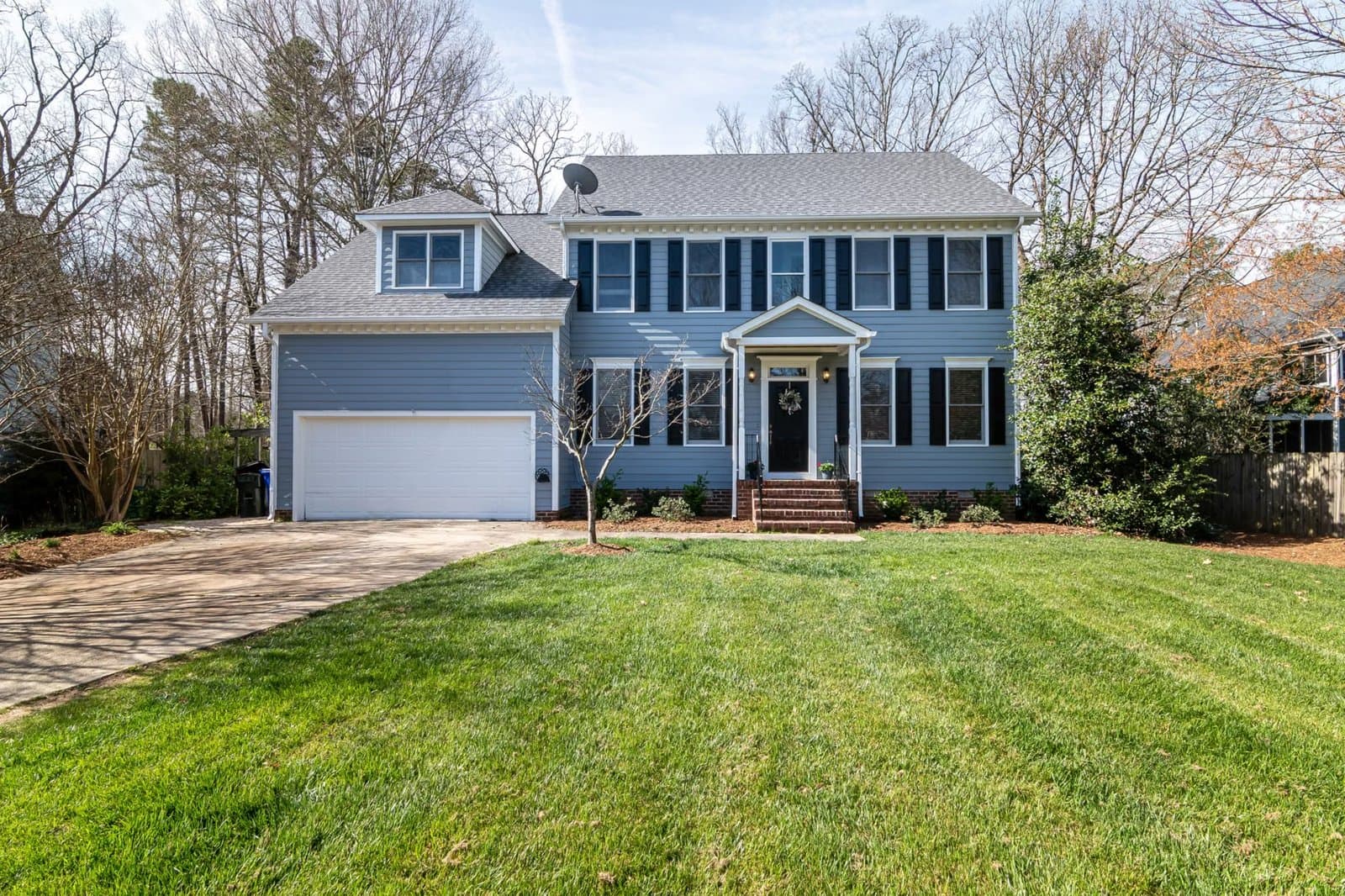

# What Cambridge's FY2026 Property Tax Rate Means for Homeowners
Key Takeaways
•The direct answer: Cambridge's FY2026 residential rate is $6.67 per $1,000, per Ask Charles Cherney. At the 2025 single-family median of $2,505,000 (MLS Pinergy via Tamela Roche), that comes to an estimated $16,708 a year before any exemption.
•The myth: A low rate means a low bill. Your purchase price sets the bill, not the rate.
•The twist: Whether a Cambridge single-family costs more in tax than a Somerville one depends on the price you pay. Cambridge condos are where the low rate clearly saves money.
•The bottom line: Estimate taxes on your offer price. File for the residential exemption if you live in the home.
Is Cambridge's Low Tax Rate Really a Win for Homeowners?
Yes, but only if you understand the math.
Cambridge's FY2026 residential rate is $6.67 per $1,000 of assessed value (the city's taxable value for your home), according to Ask Charles Cherney. The Harvard Crimson reports it is the lowest rate among neighboring cities.
To estimate your bill, divide the home value by 1,000 and multiply by $6.67. The result depends on which price you use:
•MLS Pinergy data via Tamela Roche: a $2,505,000 2025 median single-family price, or an estimated $16,708 a year.
•A separate Repliers/MLSPIN snapshot: a recent single-family median of $1,660,000, or about $11,072 a year.
The rate does not decide your bill. The price does.
Why Is the Rate Low, and Is It Rising?
Commercial property carries more of the load. Andrew Goldberg Advisory, citing the city, says commercial property such as Kendall Square labs pays $14.07 per $1,000. That is more than double the residential rate.
This is a policy choice, and it can change. For FY2026, the Crimson reported an 8% overall increase and a 5% increase in the residential tax levy. Ask Charles Cherney reports that the residential rate itself rose 4.8%, or 32 cents. For FY2027, the City Council shifted more of the load onto businesses. Even so, the Crimson reported a 4% residential rate increase.
City Manager Yi-An Huang expects the debate to continue "very significantly" into FY28. Budget for rising bills.
Cambridge vs. Somerville: Which Tax Bill Is Actually Lower?
Centre Realty Group lists Somerville's rate at $10.98, compared with Cambridge's $6.67. The bills tell a more mixed story, as the chart below shows.
Cambridge vs. Somerville Estimated Property Tax Bills by Home Type
Compares estimated Cambridge and Somerville annual residential property tax bills for single-family homes and condos using FY2026 tax-rate assumptions and cited 2025–2026 home price figures.
Cambridge bill
Somerville bill
| Series | Label | Value |
|---|---|---|
| Cambridge bill | Single-family | $16,708 (at $2,505,000) |
| Somerville bill | Single-family | $12,627 (at $1.15M) |
| Cambridge bill | Condo | $5,736 (at $860,000) |
| Somerville bill | Condo | $9,333 (at $850K) |
Single-family homes: A typical Somerville single-family bill is about $12,627, per Centre Realty Group's rate and prices. Cambridge's bill is $16,708 at the $2,505,000 median, or about $11,072 at the $1,660,000 median.
The low rate still matters. At Somerville's $10.98 rate, a $2,505,000 home would owe $27,505.
Condos: Recent Repliers/MLSPIN data puts the median Cambridge condo at $860,000. That means a bill of about $5,736. An $850K Somerville condo would owe an estimated $9,333, based on Centre Realty Group figures.
Cambridge Housing Market Snapshot by Property Type
Current MLS-derived Cambridge market indicators as of July 2026, split by single-family, condo, and mixed property segments.
Single-Family
Median Sold Price$1,660,000
Months of Supply5.0 months
Median Days on Market42 days
Condo
Median Sold Price$860,000
Months of Supply7.1 months
Median Days on Market34 days
Mixed
Median Sold Price$1,025,000
Months of Supply7.2 months
Median Days on Market35 days
Source:Repliers / MLSPIN
The residential exemption: This tax break is for people who live in the home they own. The city removes $510,208 from an owner-occupant's assessed value before calculating the bill, which saves up to $3,403. On an $860,000 condo, removing $510,208 cuts the taxable value by more than half. That makes the exemption a much bigger share of a condo bill than of a single-family bill. Goldberg notes there is a filing deadline, so confirm it with the Cambridge Assessing Department.
FY2026 Cambridge Residential Tax and Exemption Details
Buyer-relevant FY2026 Cambridge residential property tax rate and residential exemption details.
| Category | FY2026 Residential Tax | FY2026 Residential Exemption |
|---|---|---|
| Residential tax rate | $6.67 per $1,000 of assessed value | - |
| Increase (absolute) | 32 cents per $1,000 of assessed value | - |
| Increase (percent) | 4.8% | - |
| Residential exemption | - | $510,208 |
| Full residential exemption tax reduction | - | $3,403 |
| Eligibility date | - | January 1, 2024 |
Buyer note: The seller's tax bill may not match yours. For example, the seller may have the residential exemption, and you must file for your own. Ask the Cambridge Assessing Department how assessed values are updated.
What Are the Strongest Arguments Against This?
"Somerville's higher rate just reflects lower home values."
That's fair: the rate gap alone proves nothing. The estimated bills give a split answer:
•Single-family: it depends on price. At the $2,505,000 MLS Pinergy median, Cambridge's bill ($16,708) is higher than Somerville's ($12,627). At the $1,660,000 Repliers/MLSPIN median, Cambridge's bill (about $11,072) is lower.
•Condos: Cambridge comes out ahead. The estimates are $5,736 in Cambridge vs. $9,333 in Somerville, using Repliers/MLSPIN and Centre Realty Group prices.
"The federal tax deduction changes the real cost."
Often it doesn't. Many households take the standard deduction, a flat amount anyone can claim, instead of itemizing (listing deductions one by one). If that's you, the deduction for state and local taxes won't lower your cost. Even if you itemize, higher earners can face limits on that deduction. Ask a tax advisor before counting on it.
"One nearby city is not enough."
The Crimson reports that Cambridge's rate is the lowest among neighboring cities. However, its report doesn't give rates for Boston, Arlington, Newton or Watertown. If you're weighing those towns, check the Massachusetts Division of Local Services rate tables.
What Should Cambridge Homeowners and Buyers Do This Fall?
•Owners: Confirm your residential exemption is on file. Check your assessed value against recent nearby sales. Plan for the reported 4% residential rate increase in FY2027.
•Buyers: Divide your offer price by 1,000 and multiply by $6.67, the latest confirmed rate. Expect it to rise.
•Choosing between cities: For a single-family home, compare full bills at your actual price. For the clearest tax advantage, look at Cambridge condos.
Cambridge's low rate is real, but your price drives your bill. Run the numbers before you make an offer, not after you close.