Newton Centre Essential Guide: Walkable Village Living for Young Professionals
Newton Centre blends a lively walkable village, $720K median condos, Green Line D access, and a 25-minute ride to Park Street.
Written ByBen Resnicow
PublishedMay 27, 2026
Commonwealth Standard Realty Advisors is a Newton, MA brokerage serving Greater Boston. Honest, full-service representation for buyers, sellers & investors. Serving Newton, Lexington, Boston, Needham, Cambridge, Sudbury, Dedham, Watertown, Wellesley, Somerville, Melrose, Natick, Arlington, Milton and Brookline, MA.
Newton Centre is, hands down, the village I steer the most young professionals toward when they call looking for a Boston suburb that doesn't feel like one. It's the largest of Newton's 13 villages, the most walkable, and the one with the most direct shot into downtown. What follows is the orientation I give every client before we start touring — the vibe, the housing stock, where people actually gather, and the commute math.
Is Newton Centre a Quiet Suburb or a Lively Village for Young Professionals?
Short answer: Newton Centre is the rare Boston suburb that delivers a walkable, restaurant-rich village core and quiet residential streets — and they sit five minutes apart on foot. That dual personality is exactly why it punches above its weight with the 25–44 crowd.
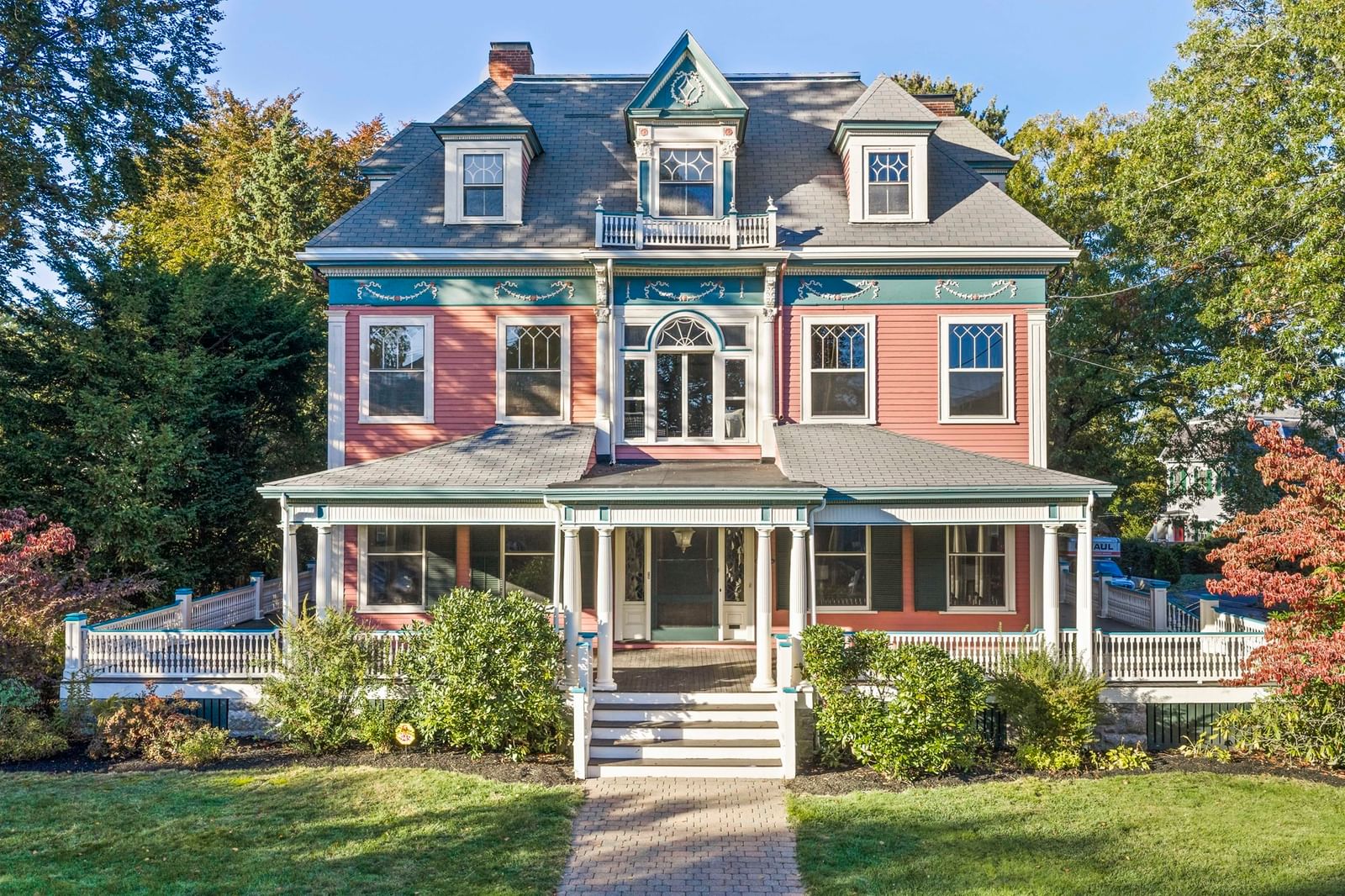
The village center is busy in the way young professionals actually want it to be: coffee shops full of people working on laptops, a steady dinner crowd, and a T stop that people genuinely use. Walk two or three blocks off Beacon or Centre Street and suddenly you're on tree-lined sidewalks lined with brick Colonials, Tudors, and the occasional Victorian conversion. Polished but not stuffy. Professional rather than collegiate.
Newton as a whole leans heavily working-age, which shapes the energy here more than the citywide median age of 42 suggests:
Newton Age Distribution
Newton’s largest age cohort is 25–64, signaling a substantial working-age population alongside families, students, and older residents.
TOTAL
0-9 Years
9.68%
10-17 Years
11.16%
18-24 Years
11.76%
25-64 Years
48.26%
65-74 Years
11.11%
75+ Years
8.03%
Newton’s largest age cohort is 25–64, signaling a substantial working-age population alongside families, students, and older residents.
Nearly half of Newton's residents fall into the 25–64 bracket, and Newton Centre is where a large share of the younger end concentrates. You can feel it on a Saturday morning at Tatte Bakery & Cafe — laptops open, strollers parked outside, brokers like me grabbing a coffee between showings. It is, in the most genuine sense, a lively village.
What Are Condos and Townhomes Like in Newton Centre?
Short answer: Newton Centre's condo and townhome inventory clusters around the village core and breaks down into two main flavors — historic single-family conversions (think grand Victorians carved into 2–3 units) and newer boutique buildings with modern finishes, all within walking distance of the T.
For young professionals, this is the entry point. Single-family homes in Newton Centre are running $1.6M–$2.2M in 2026, which prices most first-time buyers out. Condos are where the math actually starts to work:
Spring 2026 Median Prices: Single-Family vs. Condo
Condos offer a substantially lower entry point than single-family homes, a key distinction for young professionals prioritizing Newton access with a more manageable purchase target.
Condos offer a substantially lower entry point than single-family homes, a key distinction for young professionals prioritizing Newton access with a more manageable purchase target.
The gap between a $1,420,000 median single-family and a $720,000 median condo is the single most important number on this page if you're a young professional buyer. That's the difference between "someday" and "this year."
Here's what you'll typically see when we tour:
•Historic conversions — large Victorians and Colonials carved into 2–4 unit condos. Hardwoods, high ceilings, deeded parking if you're lucky. Lot sizes are irrelevant in this category because you're buying a share.
•Newer townhomes and boutique condos — generally built in the last 20 years, often closer to the village core, with modern kitchens and in-unit laundry. Compact footprints by design, which is the whole point: lower maintenance, walk-everywhere living.
•A few larger luxury buildings near Chestnut Hill and along the edges of the village — heavier on amenities, lighter on historic character.
One honest caveat I give every buyer: a meaningful share of Newton's housing stock was built pre-1940. Even in a renovated condo, it pays to scrutinize HVAC, electrical, and roof condition during inspection. Renovation budgets in this market commonly run $50K–$100K when work is needed.
Where Do People in Newton Centre Actually Gather?
Short answer: Daily life in Newton Centre revolves around a tight cluster of blocks at the intersection of Beacon, Centre, and Union Streets — plus the green space ringing Crystal Lake and the village green itself.
Here's how I describe the rhythm of the village to clients:
•The village core — the stretch around Langley Road and Centre Street is where the cafes, restaurants, and boutiques are. Sycamore, Tartufo, and Farmstead Table cover the upscale dinner end; J.P. Licks and the bakeries handle the rest. It's also where networking actually happens — the "let's grab coffee" meeting that turns into a deal.
•Newton Centre Green — the literal center of the village. Farmers markets, summer concerts, the casual hangout space that anchors the neighborhood socially.
•Crystal Lake — a short walk south of the village. In summer, it's the swim-and-paddle spot; year-round, it's the loop young professionals run before work.
•Hammond Pond Reservation and the Webster Conservation Area — when clients ask "is there real nature here?" this is the answer. Trail systems within ten minutes of your front door.
Worth noting: Newton Centre sits at the top tier of Newton's walkability map.
Walkability by Newton Village
A quick village-by-village orientation for buyers who want restaurants, errands, transit, and daily life to be less car-dependent.
Category
Walkability Tier
Most Walkable Villages
Newton Centre, Newton Highlands
Middle Ground Walkability
West Newton, Newtonville, Auburndale
Less Walkable Villages
Chestnut Hill, Oak Hill, Waban, Upper Falls, Lower Falls
If walkability is non-negotiable — and for most young professionals I work with, it is — Newton Centre and Newton Highlands are the two villages to focus on. Everything else in Newton requires a car for daily errands.
How Is the Commute from Newton Centre to Boston?
Short answer: Newton Centre offers a roughly 25-minute Green Line D ride directly to Park Street, plus quick highway access via Route 9 and I-95/Route 128. For a young professional working downtown, in the Seaport, or in Cambridge, it's one of the most efficient suburban commutes in Greater Boston.
Newton Commute Snapshot: Boston Access Options
A commuter-focused snapshot for young professionals weighing car, Green Line, and commuter rail access from Newton into Boston.
•Green Line D Branch from Newton Centre Station — the village's signature feature. Direct ride into Park Street in roughly 25 minutes, no transfers, no parking garage fees. This is the line young professionals ride daily.
•Driving to downtown Boston — 15–20 minutes off-peak, 35–50 minutes at rush hour. Route 9 and the Mass Pike (I-90) are the workhorses; school traffic in the morning is the wild card.
•I-95/Route 128 access — under ten minutes from most addresses in the village. Critical if your office is in Waltham, Burlington, or somewhere along the 128 tech corridor rather than downtown.
The Green Line itself is in the middle of a substantial reinvestment cycle, which matters if you're planning to live here for 5–10 years:
$9.8BTotal Capital Investment
MBTA 2026–2030 Capital Investment Plan
Major MBTA capital funding supports the transit ecosystem that makes Newton attractive to Boston-bound commuters, including vehicle upgrades, track/signal work, and Green Line accessibility improvements.
New Funding$1.1B
Total Projects660
Dedicated to New Vehicles$2.8B
Dedicated for Track, Signal, and Power Upgrades$2.0B
The MBTA's $9.8B capital plan includes $2.8B for new vehicles and $2.0B for track, signal, and power upgrades — meaningful for D Branch reliability over the medium term. Not glamorous data, but exactly the kind of context I want my clients thinking about before they commit to a transit-dependent location.
If you're weighing Newton Centre against your other options, the honest summary is this: you're paying a premium over less walkable villages like Waban or Oak Hill, and you're paying it specifically for the village center and the T stop. For young professionals — especially those splitting time between a downtown office and a home setup — that premium tends to pay for itself in quality of life within the first year. When you're ready to look at specific buildings or compare condo lines side by side, that's the conversation worth having next.
Is Newton Centre in Newton, MA a good place for families?
Newton Centre is one of the most walkable village areas in Newton, MA, with a lively core of cafes, restaurants, boutiques, and the Newton Centre Green. A few blocks from Beacon, Centre, and Union Streets, the setting becomes quieter and more residential, with tree-lined sidewalks and historic homes.
For families, the area offers access to Crystal Lake, Hammond Pond Reservation, and Webster Conservation Area, along with everyday walkability that reduces reliance on a car.
What types of condos and townhomes are available in Newton Centre, Newton, MA?
Newton Centre’s condo and townhome market is concentrated near the village core and generally includes historic single-family conversions, newer boutique condo buildings, and newer townhomes. Historic conversions often feature high ceilings, hardwood floors, and 2–4 unit layouts, while newer properties tend to offer modern kitchens, in-unit laundry, and lower-maintenance living.
Condos are the more attainable entry point compared with single-family homes, with a median condo price of about $720,000 versus a median single-family price of about $1,420,000.
Is Newton Centre, Newton, MA affordable for young professionals?
Newton Centre is expensive compared with less walkable Newton villages because buyers pay a premium for the village center, restaurants, and direct Green Line access. Single-family homes are listed in the $1.6M–$2.2M range for 2026, while condos are the more common option for first-time buyers and young professionals.
Affordability depends heavily on property type: the gap between a roughly $720,000 median condo and a roughly $1,420,000 median single-family home is substantial.
How is the commute from Newton Centre, Newton, MA to Boston?
The commute from Newton Centre to downtown Boston is one of the village’s main advantages. The Green Line D Branch runs directly from Newton Centre Station to Park Street in about 25 minutes, with no transfer required.
Driving to downtown Boston typically takes 15–20 minutes off-peak and 35–50 minutes during rush hour. Route 9, the Mass Pike, and I-95/Route 128 also make Newton Centre practical for commuters heading to Boston, Waltham, Burlington, or the Route 128 tech corridor.
Can you live in Newton Centre, Newton, MA without relying on a car?
Newton Centre is highly walkable by Newton standards, especially around Beacon Street, Centre Street, Union Street, and Langley Road. Daily destinations such as cafes, restaurants, shops, the village green, and the Green Line station are clustered within the village core.
Among Newton villages, Newton Centre and Newton Highlands are the key areas to focus on when walkability is a top priority.
What should families know about schools when buying in Newton Centre, Newton, MA?
School ratings, assignment zones, and enrollment details should be verified by address before buying in Newton Centre. The neighborhood facts most relevant to families are its quiet residential streets, walkable village core, access to green space, and proximity to daily amenities.
Because Newton Centre includes a mix of condos, townhomes, and single-family homes, school planning should be done at the individual property level.
What should buyers know about HOA costs and maintenance in Newton Centre, Newton, MA?
Specific HOA fee amounts are not provided for Newton Centre condos and townhomes. Buyers should evaluate the monthly HOA cost alongside the purchase price, building age, maintenance history, and included services.
Older converted homes are common in Newton Centre, and many Newton properties were built before 1940. Even renovated condos should be inspected carefully for HVAC, electrical, and roof condition, because renovation budgets can commonly run $50,000–$100,000 when work is needed.