Discover Brookline, MA: The Essential Guide for Young Families
Urban-village Brookline offers 6,948-student public schools, Green Line C/D/E access, parks and family condos near Boston/Longwood.
Written ByBen Resnicow
PublishedMay 27, 2026
Commonwealth Standard Realty Advisors is a Newton, MA brokerage serving Greater Boston. Honest, full-service representation for buyers, sellers & investors. Serving Newton, Lexington, Boston, Needham, Cambridge, Sudbury, Dedham, Watertown, Wellesley, Somerville, Melrose, Natick, Arlington, Milton and Brookline, MA.
Brookline, MA
Region
In July 2026, the median sale price for homes in Brookline, MA was $1,166,600, down 9.2% from a year earlier.
If you're a parent who's been quietly opening real estate tabs at midnight, wondering where your kids could grow up safely, walk to school, and still put you 15 minutes from your office in Boston — Brookline is probably the town you keep circling back to. There's a good reason for that.
Brookline was just named the #1 Best Place to Live for Quality of Life in America by U.S. News & World Report (2026). It also landed at #3 on Boston Magazine's Top Places to Live (2025) and made Fortune's Top 25 Best Places to Live for Families. Those rankings aren't marketing fluff. When I'm walking buyers through Coolidge Corner on a Saturday morning, the strollers, the dog walkers, the kids biking to soccer practice all tell the same story.
Here's what families actually need to know before making the move.
Is Brookline, MA Good for Young Families?
Yes — Brookline is widely considered one of the safest, most family-oriented suburbs in Greater Boston, with top-rated public schools, walkable village centers, and rare access to the Green Line right outside your front door. It's the kind of place where neighbors still know each other's kids by name.
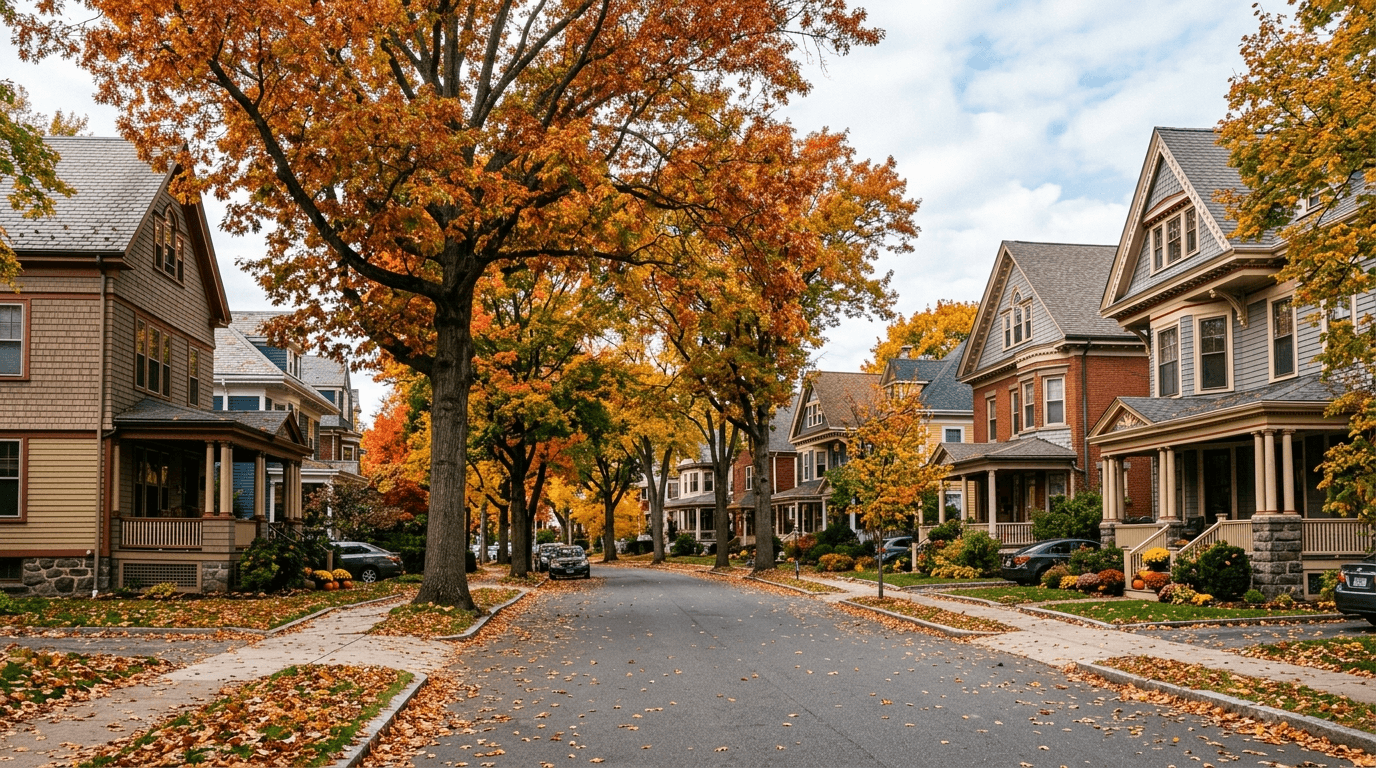
The vibe is best described as "urban village." One block over, you'll find a quiet, tree-lined street of historic Victorians. Two blocks further, you're at a bustling bakery, a public library, and a T stop. That balance is what keeps young families here for the long haul.
Safety is one of the first things parents ask me about, and Brookline holds up:
•Violent crime is extremely rare and well below national averages
•Property crime is occasional and mostly minor
•The town formally approved a new Traffic Calming Policy in 2024–2025 to make residential streets safer for kids biking and walking to school
Then there are the schools — really the other anchor of family life here. Brookline Public Schools serve roughly 6,948 students district-wide, and Brookline High School offers a deep bench of AP courses, STEM programs, and extracurriculars. The elementary and middle schools are known for strong academics and supportive teaching. And for families pricing out private school tuition across Boston, here's a number worth pausing on: public school tuition is effectively zero for residents.
Brookline Family Move Snapshot: Lifestyle vs. Cost
A quick family-oriented reality check: Brookline pairs top-tier quality-of-life recognition with a significant housing and cost-of-living premium.
2026 Rankings
Best Place to Live for Quality of Life in America (U.S. News & World Report)#1
One thing I share candidly with every family I work with: Brookline's cost of living runs 65–79% higher than the national average, driven mostly by housing. That's the tradeoff for the quality of life. The silver lining? What you'd otherwise spend on private school often offsets a meaningful chunk of the housing premium.
A trend worth knowing: K-12 enrollment is projected to gradually decline through 2031-32, which generally means class sizes stay manageable. Brookline's stated class size guidelines are 22 students for K-2 and 25 for grades 3-8.
Brookline K-12 Enrollment Outlook
Projected K-12 enrollment trends downward through 2031-32, a useful signal for families evaluating school capacity, class planning, and long-term district dynamics.
Projected K-12 enrollment trends downward through 2031-32, a useful signal for families evaluating school capacity, class planning, and long-term district dynamics.
For families with little ones, kindergarten enrolled 453 students this year (100% full-day), and Pre-K enrolled 237 — both diverse cohorts that reflect the full mix of backgrounds you'd hope your child grows up alongside.
Early Education Enrollment by Student Group
A side-by-side look at early education enrollment by student group, highlighting the scale difference between Pre-K and Kindergarten cohorts in 2025-26.
Pre-Kindergarten
Kindergarten
A side-by-side look at early education enrollment by student group, highlighting the scale difference between Pre-K and Kindergarten cohorts in 2025-26.
What Are Condos and Townhomes Like for Families in Brookline, MA?
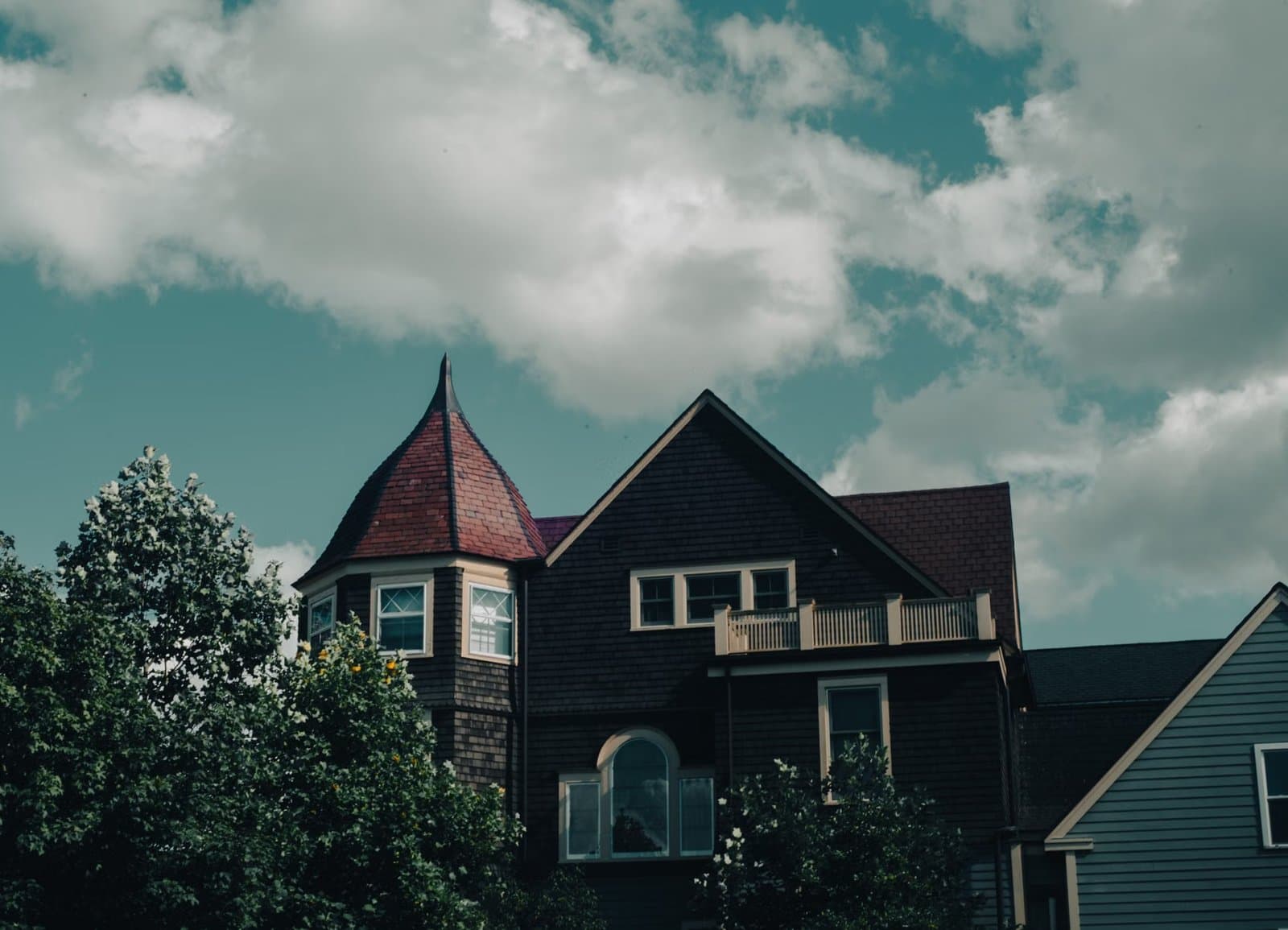
Brookline's housing stock is dominated by beautifully converted Victorian-era multi-family homes, brick rowhouses, and modern townhomes — most offering more interior space per dollar than comparable Back Bay or South End properties, with significantly less yard maintenance.
Here's the honest pricing landscape:
•Condos: roughly $1,000 per square foot
•Townhouses: typically $2.5M and up
•Single-family homes: generally $3M and up, with historic enclaves like Aspinwall Hill and Pill Hill running $1.5M–$3M
What I tell young families touring with me: don't fixate on the single-family number. The condo and townhome market here is genuinely excellent for families. Many of the converted Victorians along Beacon Street — that classic ~4-mile, 3-story corridor — offer 3- and 4-bedroom floor plans with original woodwork, bay windows, and shared courtyard or patio space. You get the architectural soul of a historic home without the roof, the lawn, or the snow shoveling.
A few realities worth naming up front:
•The market is competitive — well-priced family-sized condos move quickly
•Parking is limited in most of north Brookline; if you have two cars, ask about deeded spots early
•Lot sizes are urban-scaled, but the town's parks system (more on that in a minute) more than makes up for it
One major redevelopment to watch: the Chestnut Hill West project on Route 9, a proposed 14-story mixed-use development. After several years of negotiation, a deal was reached with neighbors in May 2026 addressing height and density concerns. It's the biggest development Brookline has seen in decades and will reshape parts of South Brookline in the coming years.
Chestnut Hill West / Route 9 Redevelopment
Brookline’s major Chestnut Hill West proposal is a key development to watch for families, with potential implications for neighborhood density, parking, services, and Route 9 activity.
LocationRoute 9
Building Height14-story
Development Typemixed-use
Proposal VersionFourth iteration
May 2026Deal struck with neighbors addressing height and density concerns
Brookline's social life centers on Coolidge Corner, Brookline Village, and a remarkable network of parks — all walkable from most family neighborhoods. This is a town designed around bumping into your neighbors, not driving past them.
A few of the hubs where I consistently see young families on weekends:
•Coolidge Corner — the cultural heart of Brookline. The Coolidge Corner Theatre, the public library branch, indie bookstores, and a steady lineup of family-friendly cafes. Saturday mornings here feel like a village square. A favorite local stop with kids in tow is Rifrullo Cafe — warm, casual, and forgiving of strollers.
•Brookline Village — pediatricians, the original library branch, boutique shops, and a quieter, neighborhood feel.
•Larz Anderson Park — the town's signature green space, with picnic lawns, a playground, and winter ice skating.
•Olmsted Park and the Brookline Reservoir — designed by Frederick Law Olmsted himself, these are the daily-walk, stroller-loop, weekend-bike-ride spots families use year-round.
•Amory Playground and Cypress Street Playground — the workhorse neighborhood playgrounds parents rotate through.
For everyday logistics, families benefit from having Trader Joe's, Whole Foods, and H Mart all within town lines, plus the beloved Brookline Booksmith and a dense network of pediatricians close to the Longwood Medical Area.
How Is the Commute From Brookline, MA to Boston and Longwood?
Brookline offers one of the easiest commutes into Boston in the entire metro — the MBTA Green Line runs directly through town, and the Longwood Medical Area is essentially next door. For dual-career families, that's a quality-of-life multiplier you can't really put a price on.
Here's the practical breakdown:
•Green Line C branch — runs along Beacon Street. Key family stops include Coolidge Corner, Washington Square, and Cleveland Circle. Direct ride to Kenmore, Copley, and downtown.
•Green Line D branch — runs along the old rail right-of-way, with stops at Brookline Village, Brookline Hills, Beaconsfield, Reservoir, and Chestnut Hill. Generally faster than the C, with fewer surface stops.
•Green Line E branch — clips the edge of town near the Longwood Medical Area, which is invaluable for physicians, researchers, and hospital staff. Many Brookline parents working at Boston Children's, Brigham and Women's, or Beth Israel Deaconess walk or bike to work in 10–20 minutes.
•Bus routes — the 66 bus connects Brookline to Cambridge and Allston, useful for academic families with ties to Harvard or BU.
What this means in practice: a lot of Brookline families are functionally one-car households. Walkable village centers, transit-rich streets, and short trips into the city mean less time in traffic and more time at the dinner table.
Everyday Family Tradeoffs in Brookline
A practical checklist of daily-life considerations for young families weighing Brookline’s safety, schools, commute convenience, and common tradeoffs.
Category
Safety/Crime
Education/Schools
Transportation/Commute
Real Estate Market
Violent crime
Extremely rare, well below national averages
-
-
-
Property crime
Occasional, mostly minor incidents
-
-
-
Elementary and Middle Schools
-
Known for strong academic performance and supportive teaching
-
-
Brookline High School
-
Offers advanced placement courses, STEM programs, and extracurricular activities
-
-
Commute times to downtown Boston
-
-
Short
-
Public transit options
-
-
Walkable neighborhoods with public transit options
What's the Honest Bottom Line on Brookline, MA for Young Families?
If your priorities are safety, strong public schools, walkability, and proximity to Boston's job centers and world-class pediatric care (Boston Children's Hospital completed a $1 billion, 11-story clinical tower expansion at its Longwood campus in 2022), Brookline is genuinely one of the best places in America to raise a family right now — and the national rankings back that up.
The tradeoffs are real. Housing is expensive, parking is tight, and the market moves quickly. But for families who can make the numbers work, what you're buying isn't just a property. It's a community where your kids can walk to the library, ride the T to a Sox game with their friends in high school, and grow up surrounded by neighbors who genuinely care about the place they live.
When buyers ask me where to start, I always say the same thing: spend a Saturday in Coolidge Corner, walk the Reservoir loop, grab coffee in Brookline Village, and pay attention to how you feel. Brookline tends to make that decision for you.
If you'd like a candid conversation about specific neighborhoods, school zones, or what your budget actually buys in today's market, I'm always happy to talk it through — no pressure, just straight answers.
Yes. Brookline, MA is widely considered one of the safest and most family-oriented suburbs in Greater Boston, with top-rated public schools, walkable village centers, and direct Green Line access. Violent crime is extremely rare and well below national averages, while property crime is occasional and mostly minor.
How are the schools in Brookline, MA for families?
Brookline Public Schools serve about 6,948 students district-wide and are known for strong academic performance, supportive teaching, and well-regarded elementary and middle schools. Brookline High School offers advanced placement courses, STEM programs, and extensive extracurricular options. Public school tuition is effectively zero for Brookline residents.
Are condos and townhomes in Brookline, MA good for families?
Brookline, MA has a strong family-sized condo and townhome market, especially in converted Victorian-era multi-family homes, brick rowhouses, and modern townhomes. Many converted Victorians along Beacon Street offer 3- and 4-bedroom layouts, original details, bay windows, and shared courtyard or patio space.
How much does it cost to live in Brookline, MA?
Brookline, MA is expensive, with the cost of living running about 65–79% higher than the national average, mainly because of housing. Condos are approximately $1,000 per square foot, townhouses are typically $2.5 million and up, and single-family homes are generally $3 million and up. In historic areas such as Aspinwall Hill and Pill Hill, homes run about $1.5 million to $3 million.
What is the commute like from Brookline, MA to Boston?
Brookline, MA offers one of the easiest commutes into Boston in the metro area because the MBTA Green Line runs directly through town. The C branch serves Beacon Street areas such as Coolidge Corner, Washington Square, and Cleveland Circle, while the D branch serves Brookline Village, Brookline Hills, Beaconsfield, Reservoir, and Chestnut Hill. The E branch reaches the edge of town near Longwood Medical Area.
Do families need a car in Brookline, MA?
Many Brookline, MA families are functionally one-car households because the town has walkable village centers, transit-rich streets, and short trips into Boston. The 66 bus also connects Brookline to Cambridge and Allston, which is useful for families connected to Harvard, BU, or nearby academic and medical institutions.
Is parking difficult for Brookline, MA condos and townhomes?
Parking is limited in much of north Brookline, especially for households with two cars. Families considering condos or townhomes should ask early about deeded parking spots. Lot sizes are urban-scaled, but Brookline’s park system helps offset the lack of large private yards.
Where do families spend time in Brookline, MA?
Families in Brookline, MA commonly gather in Coolidge Corner, Brookline Village, Larz Anderson Park, Olmsted Park, the Brookline Reservoir, Amory Playground, and Cypress Street Playground. Coolidge Corner offers the Coolidge Corner Theatre, a public library branch, indie bookstores, cafes, and everyday neighborhood activity, while Brookline Village has pediatricians, the original public library branch, boutique shops, and a quieter neighborhood feel.