Welcome to Melrose, MA: The Essential Family Guide to Homes, Schools, and Commuting
Explore Melrose’s warm, walkable small-city vibe—7 miles from Boston, 3 commuter rail stops, 8 elementary schools, and family-friendly condos.
Written ByBen Resnicow
PublishedMay 27, 2026
Commonwealth Standard Realty Advisors is a Newton, MA brokerage serving Greater Boston. Honest, full-service representation for buyers, sellers & investors. Serving Newton, Lexington, Boston, Needham, Cambridge, Sudbury, Dedham, Watertown, Wellesley, Somerville, Melrose, Natick, Arlington, Milton and Brookline, MA.
Melrose, MA
Region
In July 2026, the median sale price for homes in Melrose, MA was $886,500, down 13.5% from a year earlier.
Seven miles north of downtown Boston, Melrose is the kind of town where families put down roots and stay for generations. When I'm walking buyers through the neighborhoods here, what stops them first isn't a statistic — it's the feel. Kids pedaling to the library. Neighbors catching up on front porches. A downtown where the barista already knows your order. This guide is meant to give young families an honest, grounded look at what life and homeownership really look like in Melrose.
Is Melrose, MA a Good Place to Raise a Family?
Yes — Melrose is widely regarded as one of the most family-friendly suburbs in Greater Boston, with a highly respected public school district, a walkable downtown, and that unmistakable small-city warmth that's hard to find this close to the city.
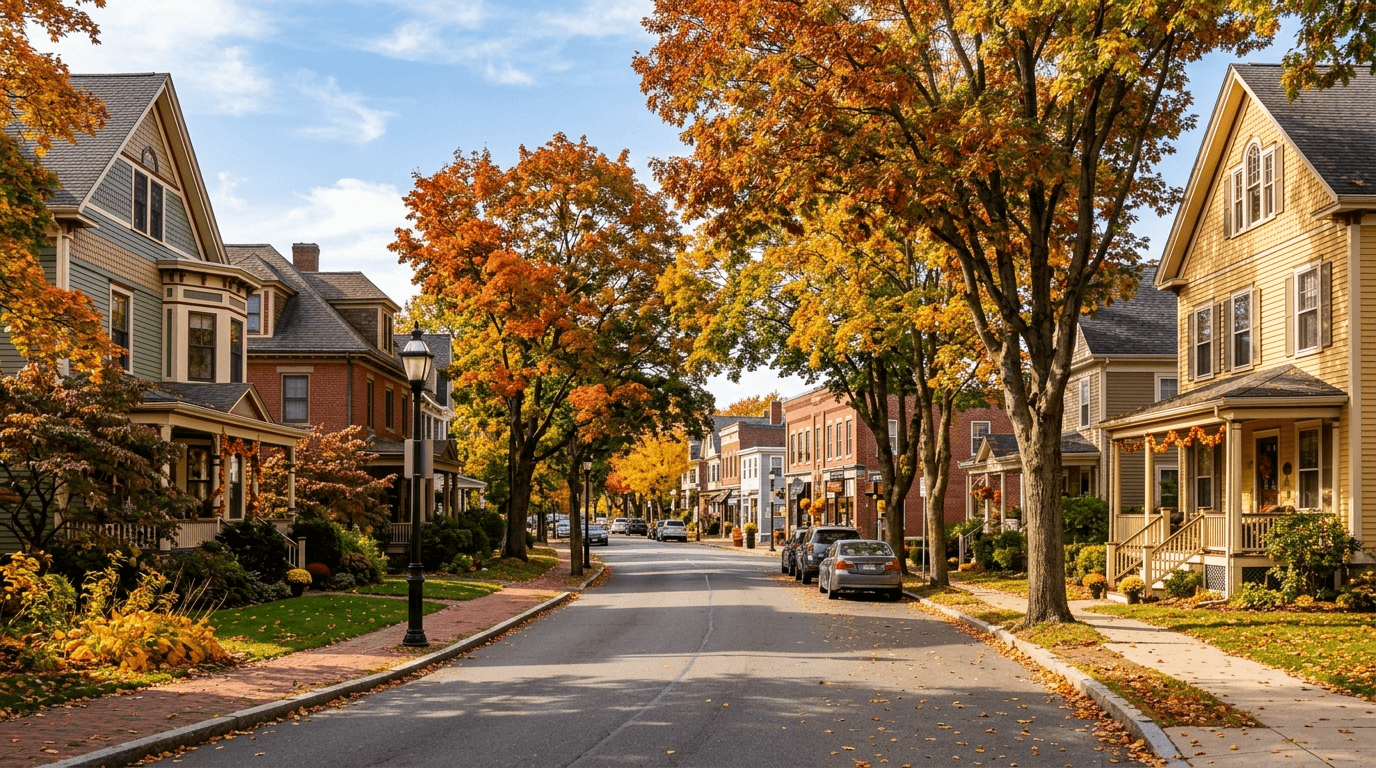
The pace is quiet, but never sleepy. Tree-lined streets curve past Victorian porches and tidy Colonial front yards, and weekends fill up fast with youth sports at Pine Banks Park , farmers market runs, and library story hours. Civic engagement runs genuinely deep — the most recent municipal election pulled over half of all registered voters to the polls, seating 4 new City Councilors and 2 new School Committee members. That kind of participation shows up in tangible ways: well-kept parks, responsive city services, and schools families work hard to stay in.
On that note — the district serves roughly 3,730 students across 8 elementary schools, 2 middle schools, and 1 high school, which means neighborhood-level options at every grade.
Melrose Schools by Grade Level
A simple school-count overview for families evaluating grade-level coverage in the local district.
A simple school-count overview for families evaluating grade-level coverage in the local district.
Families moving out from denser neighborhoods like Cambridge or the South End consistently tell me Melrose gives them the breathing room they were craving without giving up the community feel they loved in the city.
How Do Melrose, MA Public Schools Compare to the State?
Melrose Public Schools serve a close-knit community of just under 3,800 students. The district is small enough that teachers actually know your kids' names — and that matters. Enrollment composition runs a little different from state averages, which is worth a look when families are weighing fit.
Melrose School Enrollment Compared with Massachusetts
Compares Melrose Public Schools’ student enrollment composition with statewide averages for the 2025–26 school year.
% of District
% of State
Compares Melrose Public Schools’ student enrollment composition with statewide averages for the 2025–26 school year.
One thing parents deserve to hear straight: the FY26 budget cycle was tight. The city approved a $107.5 million total budget, with $47.6 million earmarked for schools, but it required $6.6 million in service cuts — including $4 million pulled directly from the school budget. Voters responded by approving a $13.5 million Proposition 2½ override targeted at Fiscal Year 2027 to restore those cuts and stabilize staffing. In other words, this is a community that votes to fund its schools.
$107.5 millionTotal Approved Budget
Melrose Budget & Tax Override: Community Services Context
Summarizes the local budget pressures and voter-approved override aimed at restoring service cuts and stabilizing city staffing—key context for families weighing schools and municipal services.
What Are Homes Like in Melrose, MA for Young Families?
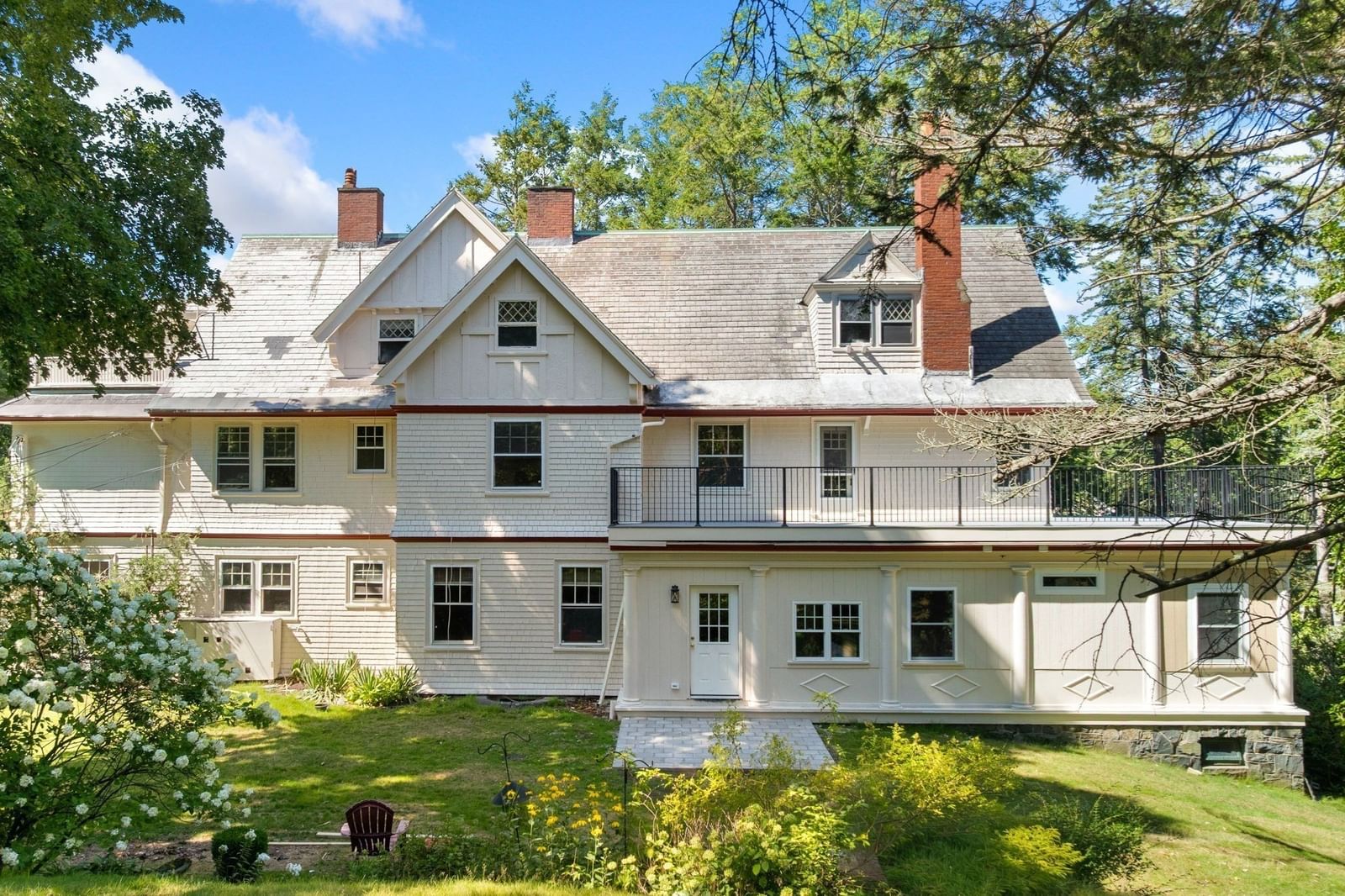
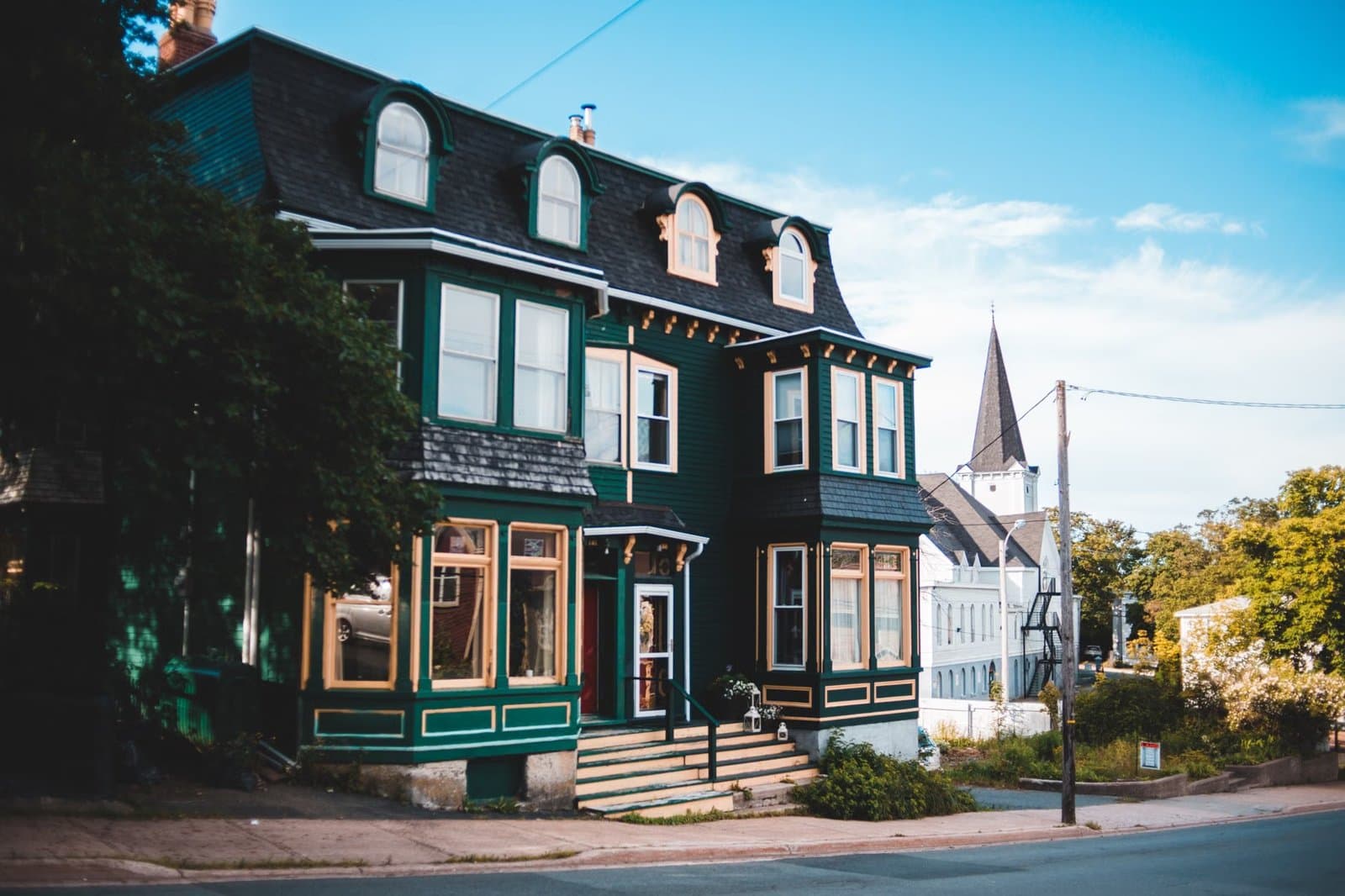
Melrose's housing stock leans heavily into classic New England character — Victorians, Colonials, Capes, and Craftsman bungalows — rounded out by a growing inventory of condos and townhomes that work beautifully for first-time buyers and young families. Lot sizes run modest by suburban standards (often a quarter-acre or less), which keeps homes close to sidewalks, schools, and parks.
For families just starting out, the condo and townhome segment is worth a hard look. Median condo pricing landed around $579,000 in July 2025 — far more accessible than the single-family median, which hit $950,000 that same month and has climbed since. Many of these condos are tucked inside converted Victorians or built into purpose-designed townhome rows, so you get the architectural charm without the maintenance load.
Here's the market reality young families should walk into with clear eyes:
Melrose Housing Market at a Glance
A headline snapshot for families sizing up Melrose: homes are moving quickly, inventory is limited, and buyers are paying above list on average.
A sale-to-list ratio of 113% and 11 median days on market tells you what you need to know — this is a competitive seller's market. Year-over-year, the median listing price is up 9.82%, and while inventory is improving (+47.83% month-over-month), it's still tight. Single-family homes year-to-date in 2025 closed at 110% of original list price. My honest advice: get pre-approved, line up your inspector and attorney before you start looking, and be ready to act within 48 hours of a listing hitting the market.
What Are the Best Neighborhoods in Melrose, MA for Families?
The five pockets buyers ask about most are Wyoming, Melrose Highlands, Melrose East Side, Downtown Melrose, and Horace Mann — each with its own personality and price point.
•Wyoming — Closest to the Wyoming Hill commuter rail stop, with a median price near $499,000. The most affordable entry point and the heaviest rental market in town.
•Melrose Highlands — Median around $654,450, with its own commuter rail stop and a walkable village center. A real sweet spot for young families.
•Melrose East Side — The premium pocket, with a median of $1,084,500. Larger lots, grander Victorians, quieter streets.
•Horace Mann — Median $879,900, anchored by the elementary school of the same name. Tight community feel.
•Downtown Melrose — Where the condos and townhomes cluster; walk-to-everything living for families who'd rather not drive to coffee or daycare.
Melrose Neighborhood Inventory: For Sale vs. For Rent
A neighborhood-by-neighborhood look at available homes and rentals, useful for families comparing where they may have the most options.
Wyoming
Melrose Highlands
Melrose East Side
Downtown Melrose
Horace Mann
A neighborhood-by-neighborhood look at available homes and rentals, useful for families comparing where they may have the most options.
Where Do Melrose, MA Families Gather and Spend Their Weekends?
The community hubs here are real, not manufactured. The Middlesex Fells Reservation wraps around the western edge of town with 2,500+ acres of hiking trails, ponds, and rocky outcroppings — the closest "real woods" you'll find this near Boston, and a Saturday morning ritual for plenty of families. Ell Pond, right in the center of town, hosts skating in winter and a steady stream of stroller traffic year-round. Pine Banks Park straddles the Malden line and offers ballfields, playgrounds, and a dog park.
Down on Main Street, families gather at the Melrose Public Library (a beautiful old building with truly excellent kids' programming), the seasonal Melrose Farmer's Market, and a long list of local cafes and restaurants. Saturday mornings at Colette Bakery and after-school stops at Kennedy's Ice Cream Bar are practically rites of passage around here. And the downtown is genuinely walkable — something Boston-area buyers don't take for granted.
How Is the Commute from Melrose, MA to Boston?
Melrose is one of the most commuter-friendly suburbs in the region, with three MBTA Commuter Rail stops on the Haverhill Line and fast access to the Orange Line at Oak Grove — putting downtown Boston roughly 20 to 30 minutes door-to-door.
Here's what working parents should know:
•Three Commuter Rail stops in town: Wyoming Hill, Melrose/Cedar Park, and Melrose Highlands — all on the Haverhill Line, terminating at North Station. Whichever neighborhood you settle in, a stop is likely within walking or short-drive distance.
•Oak Grove Orange Line station sits just over the southern border — a five-minute drive — with direct subway access to Downtown Crossing, the Financial District, and connections to the Red and Green Lines.
•Driving routes: I-93 is a quick hop west via Route 28, and Route 1 runs along the eastern edge for trips to the North Shore, Logan Airport, or weekend escapes to New Hampshire and Maine.
The MBTA has invested in keeping service resilient here, too. During prior Orange Line disruptions, the agency deployed 100 shuttle buses on the northern side of Boston and added coaches to commuter rail trains, including the Haverhill Line routes serving Melrose (the 7:24 a.m. Route 202 and 8:08 a.m. Route 282 arrivals at North Station). For two-career households, that redundancy is a real asset.
One more practical note for families: Melrose carries no city sales tax, with the combined rate sitting at the Massachusetts state floor of 6.25%. Property taxes are governed by Proposition 2½, which caps annual levy growth at 2.5% — a predictability that helps a lot when you're planning a family budget years out.
If you're weighing Melrose against other Boston suburbs, spend a Saturday here. Start with coffee downtown, walk to Ell Pond, drive up to the Fells, and end the afternoon at a Highlands playground. The town really does sell itself once you're in it. And when you're ready to talk specifics — which neighborhood fits your budget, which schools align with your kids, how to actually win in a 113%-of-list market — that's the conversation I'm here for.
Local Spots & Favorites
Melrose Market Statistics
Median sale price, days on market, and closed sales by property type.
In July 2026, the median sale price for homes in Melrose, MA was $886,500, down 13.5% from a year earlier.
Yes. Melrose, MA is widely considered a family-friendly Greater Boston suburb because it combines highly regarded public schools, a walkable downtown, parks, library programming, and a strong neighborhood feel just seven miles north of downtown Boston.
How are the public schools in Melrose, MA?
Melrose Public Schools serve roughly 3,730 students across 8 elementary schools, 2 middle schools, and 1 high school. The district is known as a tight-knit school community, and local voters approved a $13.5 million Proposition 2½ override for Fiscal Year 2027 to restore school and service cuts and stabilize staffing.
What types of homes are common in Melrose, MA for young families?
Homes in Melrose, MA are largely classic New England styles, including Victorians, Colonials, Capes, and Craftsman bungalows. The city also has condos and townhomes, many in converted Victorians or purpose-built townhome rows, which can appeal to young families looking for character and lower-maintenance living.
Are condos and townhomes in Melrose, MA a good option for first-time buyers?
Condos and townhomes can be a more accessible entry point than single-family homes in Melrose, MA. In July 2025, the median condo price was around $579,000, compared with a single-family median of $950,000 that same month.
How competitive is the housing market in Melrose, MA?
Melrose, MA is a competitive seller’s market. Recent market conditions included a 113% sale-to-list ratio, 11 median days on market, a 9.82% year-over-year increase in median listing price, and single-family homes selling year-to-date in 2025 at 110% of original list price.
What are the best neighborhoods in Melrose, MA for families?
The most discussed family-friendly areas in Melrose, MA include Wyoming, Melrose Highlands, Melrose East Side, Downtown Melrose, and Horace Mann. Melrose Highlands offers a walkable village center and commuter rail stop, Horace Mann has a tight community feel around its elementary school, and Downtown Melrose is known for condos, townhomes, and walk-to-everything convenience.
How is the commute from Melrose, MA to Boston?
Melrose, MA is one of the more commuter-friendly suburbs near Boston, with three MBTA Commuter Rail stops on the Haverhill Line: Wyoming Hill, Melrose/Cedar Park, and Melrose Highlands. Oak Grove on the Orange Line is just over the southern border, and downtown Boston is roughly 20–30 minutes door-to-door.
What should families know about the cost of living in Melrose, MA?
Melrose, MA has no city sales tax, with the combined sales tax rate at the Massachusetts state rate of 6.25%. Property taxes are governed by Proposition 2½, which caps annual levy growth at 2.5%, helping families plan long-term housing costs with more predictability.